JSON-LD Recipes: Structured Data That Actually Ships
Copy-paste JSON-LD for Person, FAQ, Product, Review, Event and Breadcrumb markup — plus how to test it before search engines do.

Last updated
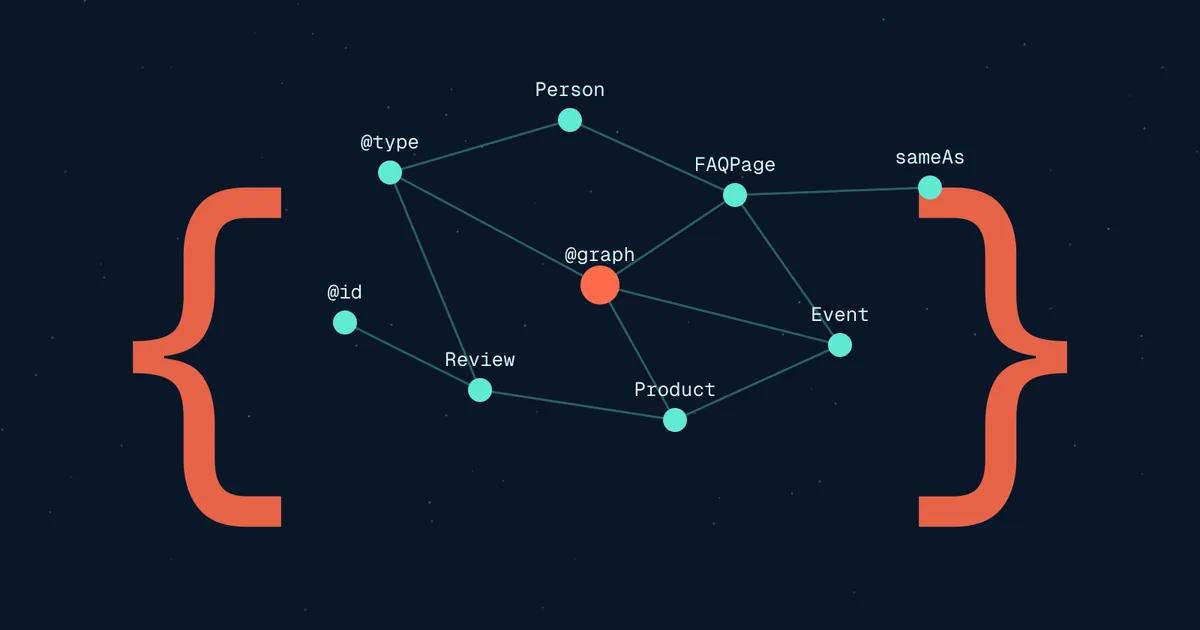
Structured data is the closest thing SEO has to an API contract. You describe what a page is — a person, a product, an event — and search engines can show richer results. JSON-LD keeps that description in a single script tag, separate from your markup. These are the recipes I use on client sites, including this portfolio.
Why JSON-LD
Microdata and RDFa sprinkle attributes throughout your HTML, which makes refactoring risky. JSON-LD lives in one <script type="application/ld+json"> block and can be generated from the same data that renders the page, so it never drifts out of sync.
Person and WebSite
Every portfolio should say who it belongs to. Link profiles with sameAs so search engines can connect them.
{
  "@context": "https://schema.org",
  "@type": "Person",
  "name": "Mara Ellison",
  "jobTitle": "Creative Frontend Developer",
  "url": "https://maraellison.dev/",
  "sameAs": ["https://github.com/maraellison", "https://www.linkedin.com/in/maraellison"]
}
FAQPage
FAQ markup also helps voice assistants, which read answers aloud. Write questions the way people actually ask them.
{
  "@type": "FAQPage",
  "mainEntity": [{
    "@type": "Question",
    "name": "How long does a typical project take?",
    "acceptedAnswer": { "@type": "Answer", "text": "Usually four to eight weeks." }
  }]
}
Product with reviews
If you sell something — a template, a course, a UI kit — mark it up with an offer and an aggregate rating. Only mark up reviews that are visible on the page.
{
  "@type": "Product",
  "name": "Lumen UI",
  "offers": { "@type": "Offer", "price": "79.00", "priceCurrency": "EUR", "availability": "https://schema.org/InStock" },
  "aggregateRating": { "@type": "AggregateRating", "ratingValue": "4.9", "reviewCount": "320" }
}
Events
Talks and workshops can appear in event search. Include the attendance mode, especially for online events.
{
  "@type": "Event",
  "name": "Hands-on WebGL for Frontend Developers",
  "startDate": "2026-12-03T16:00:00+00:00",
  "eventAttendanceMode": "https://schema.org/OnlineEventAttendanceMode",
  "location": { "@type": "VirtualLocation", "url": "https://maraellison.dev/#experience" }
}
Breadcrumbs
Breadcrumb markup replaces the raw URL in results with a readable path. It should mirror the visible breadcrumb exactly — like the one at the top of this article.
{
  "@type": "BreadcrumbList",
  "itemListElement": [
    { "@type": "ListItem", "position": 1, "name": "Home", "item": "https://maraellison.dev/" },
    { "@type": "ListItem", "position": 2, "name": "Blog", "item": "https://maraellison.dev/blog/" }
  ]
}Testing checklist
- Generate JSON-LD from the same data as the visible content.
- Use one
@graphper page and give entities stable@idvalues. - Keep dates in ISO 8601 with a timezone.
- Re-test after every content-model change.
Structured data is only one part of technical SEO; fast rendering matters just as much, as covered in the Core Web Vitals playbook.
Thanks for reading! Have a question or a project in mind? Get in touch or leave a comment. This article was last updated on .